Body Composition: Beyond the Scale
Understanding body composition as a multifactorial outcome reflecting complex physiological and lifestyle interactions
What Is Body Composition?
Body composition refers to the proportions of various tissue types comprising the body. Primary components include skeletal muscle, adipose tissue (fat), bone, organs, and water. Body composition provides more detailed information about body structure than body weight alone.
Understanding body composition helps contextualize how nutrition, physical activity, and lifestyle factors influence tissue development and metabolic function. Individual body composition reflects the complex interplay of genetics, nutrition, activity patterns, and numerous lifestyle variables.
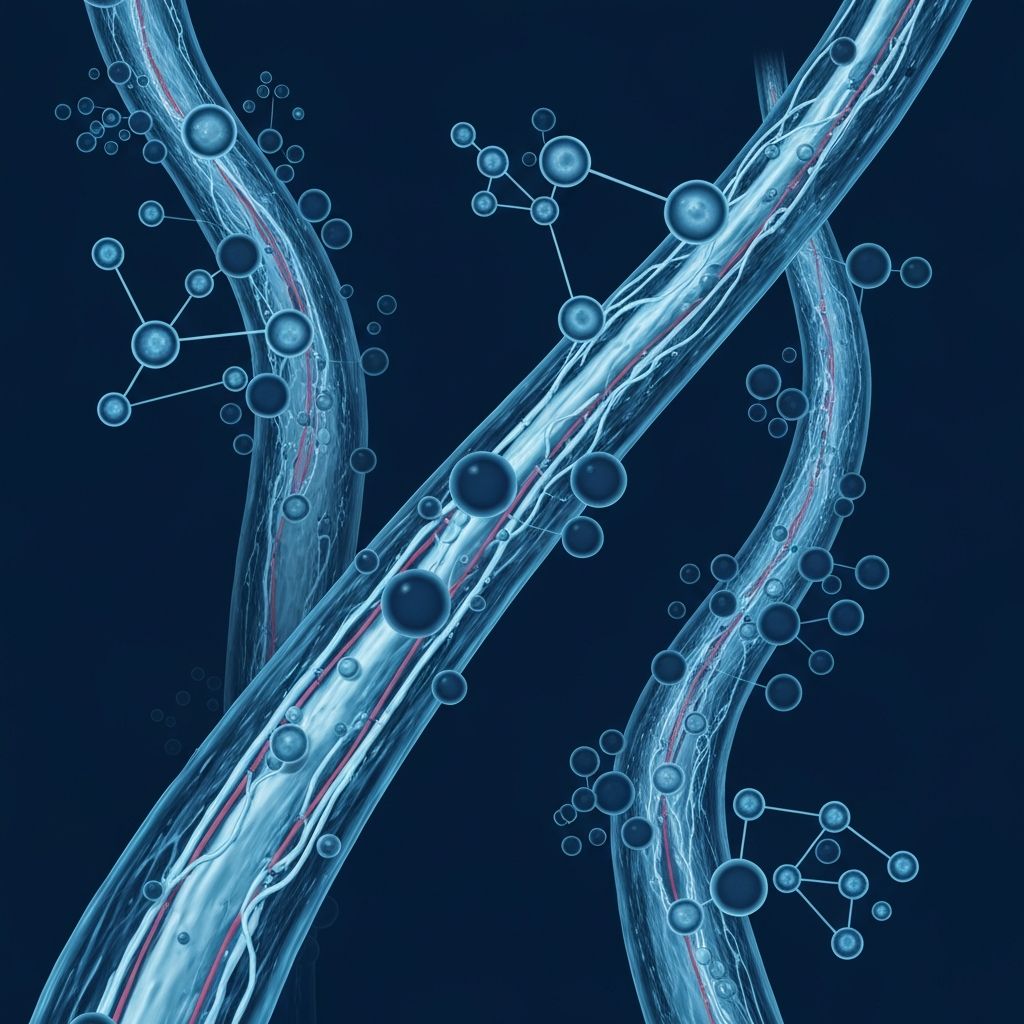
Complex Tissue Composition
Components of Body Composition
Skeletal Muscle
Function: Enables movement, maintains posture, supports daily activities. Muscle tissue is metabolically active, contributing significantly to resting metabolic rate.
Influenced by: Resistance training, adequate protein intake, physical activity, age, hormonal status, and nutritional adequacy.
Significance: Muscle mass supports metabolism, functional capacity, and long-term health. Preserving muscle tissue becomes increasingly important with aging.
Adipose Tissue
Function: Stores energy, insulates body, produces hormones that regulate metabolism and inflammation. Essential for survival and normal physiology at appropriate levels.
Influenced by: Energy balance (caloric intake vs. expenditure), genetics, insulin sensitivity, physical activity, and hormonal status.
Individual variation: Body fat ranges supporting health vary based on age, sex, genetics, and individual metabolic factors. Extremely low body fat poses health risks; excessive body fat also carries health implications.
Bone and Organs
Bone tissue: Provides structural support, protects organs, manufactures blood cells. Bone density responds to physical activity and adequate nutrition (particularly calcium and vitamin D).
Organ tissue: Comprises brain, heart, lungs, liver, kidneys, and other vital organs. While relatively stable, organ function is supported by overall nutritional and health status.
Significance: These tissues remain relatively constant; changes in body composition primarily reflect muscle and fat changes.
Water and Electrolytes
Function: Comprises majority of body weight. Water supports every physiological process, including temperature regulation, nutrient transport, and waste removal.
Variation: Body water fluctuates based on hydration status, hormonal changes, carbohydrate intake, sodium balance, and menstrual cycle (in menstruating individuals).
Significance: Water weight changes can obscure actual changes in muscle and fat tissue, explaining weight fluctuations independent of body composition changes.
Factors Influencing Body Composition
Body composition emerges from complex interactions between multiple biological, behavioral, and environmental factors. Individual body composition reflects genetic predisposition modified by lifestyle choices, environmental context, and life experiences.
Genetics
Sets baseline potential
Nutrition
Provides building blocks
Activity
Shapes muscle tissue
Sleep & Stress
Regulates hormones
Measuring and Understanding Body Composition
Multiple methods exist for assessing body composition, each with varying accuracy and practicality:
Measurement Method
- Scale Weight - Measures total body weight, includes all tissues and water fluctuations.
- BMI (Body Mass Index) - Calculates weight relative to height; limited for muscular individuals.
- Skinfold Calipers - Measures subcutaneous fat thickness; accuracy depends on assessor skill.
- Bioelectrical Impedance - Estimates fat percentage through electrical resistance; affected by hydration status.
- DEXA Scanning - Highly accurate imaging; measures bone density and tissue composition. Expensive and requires specialized equipment.
Practical Considerations
- • No single measure captures complete picture
- • Multiple measurements over time provide better insight
- • Individual goals determine relevant measures
- • How clothes fit and performance metrics matter
- • Regular measurements reduce individual variation noise
Body Composition Change and Time Frame
Body composition changes reflect complex physiological processes that require sustained behavioral change. Understanding realistic time frames prevents unrealistic expectations:
Initial changes primarily water and glycogen
Weight may decrease due to water loss from dietary or activity changes. Scale weight may decrease 2-5 lbs., though this represents minimal fat tissue change.
Metabolic adaptation and initial tissue changes
Body adapts to sustained behavioral change. Genuine fat loss may begin, particularly if activity increases and nutrition is controlled. Weight may stabilize despite ongoing composition change.
Sustained body composition changes
After 12 weeks of consistent behavioral change, measurable fat loss typically becomes apparent. Muscle development from resistance training becomes noticeable. Changes accelerate with continued consistency.
Substantial body composition transformation
Consistent behavioral change over months produces significant changes in muscle, fat, and overall body composition. Individual variation reflects genetic predisposition and behavioral consistency.
Individual Variation in Body Composition
Genetic Predisposition
Genetics substantially influence body composition potential. Individuals vary in baseline muscle-building capacity, fat storage tendency, and body shape predisposition. These genetic factors establish the range within which lifestyle behaviors operate, not an absolute ceiling or floor.
Response to Behavior Change
Individuals vary in their body composition response to identical nutrition and activity interventions. Some individuals experience rapid changes; others respond more slowly. This variation reflects genetic, hormonal, and metabolic differences. Slow initial response does not indicate failure; sustained behavioral change eventually produces changes across all individuals.
Healthy Body Composition Range
Healthy body composition varies significantly based on genetics, age, sex, and individual factors. Rather than targeting a specific number, individuals benefit from pursuing habits supporting health outcomes: adequate nutrition, consistent physical activity, quality sleep, and stress management. These behaviors support favorable body composition shifts within individual genetic potential.
Informational Content
This article provides educational information about body composition, its components, and factors influencing composition. It does not offer personalized body composition assessments or specific recommendations. Individual body composition goals and strategies vary based on age, health status, genetics, and personal circumstances. Consult qualified healthcare or fitness professionals for personalized guidance regarding body composition goals.